Zygoma Reduction

Overview
Zygoma reduction, commonly known as cheekbone reduction surgery, is a specialized facial contouring procedure designed to narrow the mid-face. It is particularly effective for individuals with prominent or wide cheekbones that create a harsh, angular appearance or make the temples and cheeks look sunken by comparison.
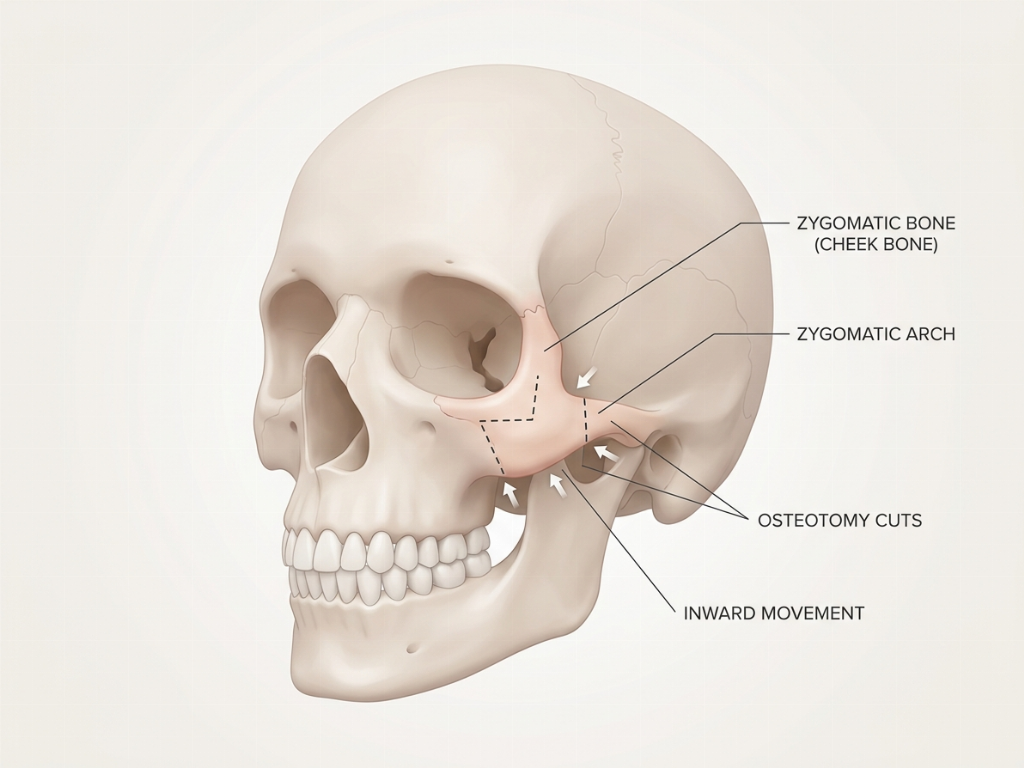
The procedure involves precisely fracturing the zygomatic bone (cheekbone) and the zygomatic arch, then repositioning them inward to reduce the overall width of the face. Modern techniques often utilize L-shaped osteotomy and secure the bone with medical-grade titanium plates or dissolvable screws to ensure structural stability and a natural-looking contour.
Expected Results
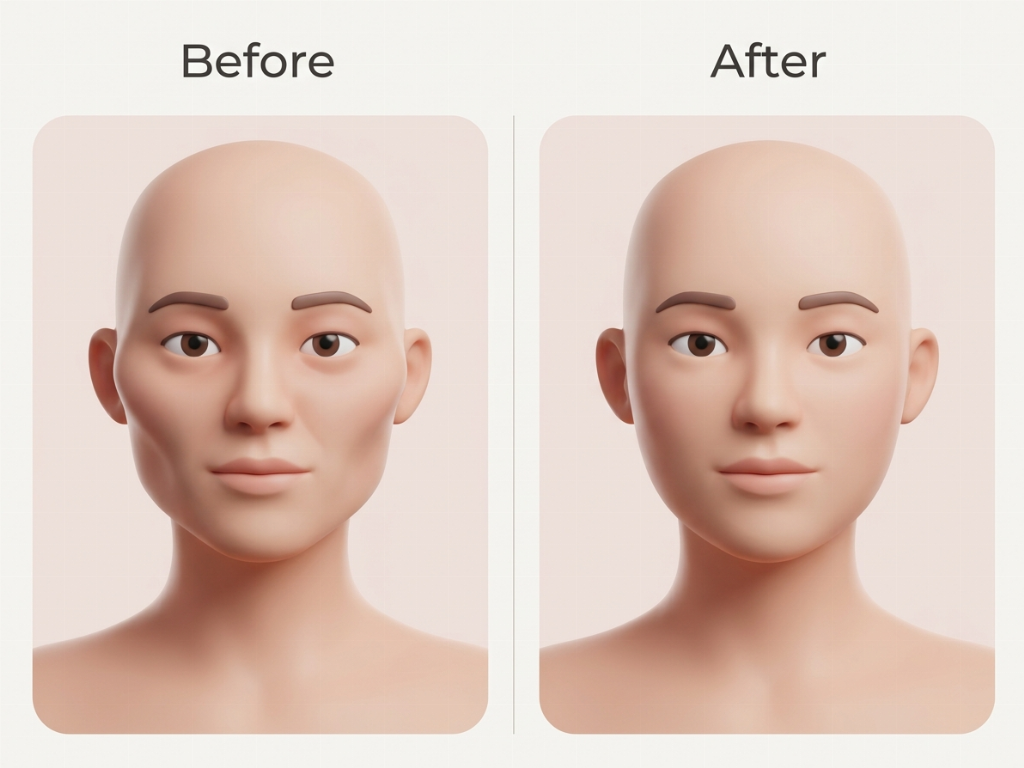
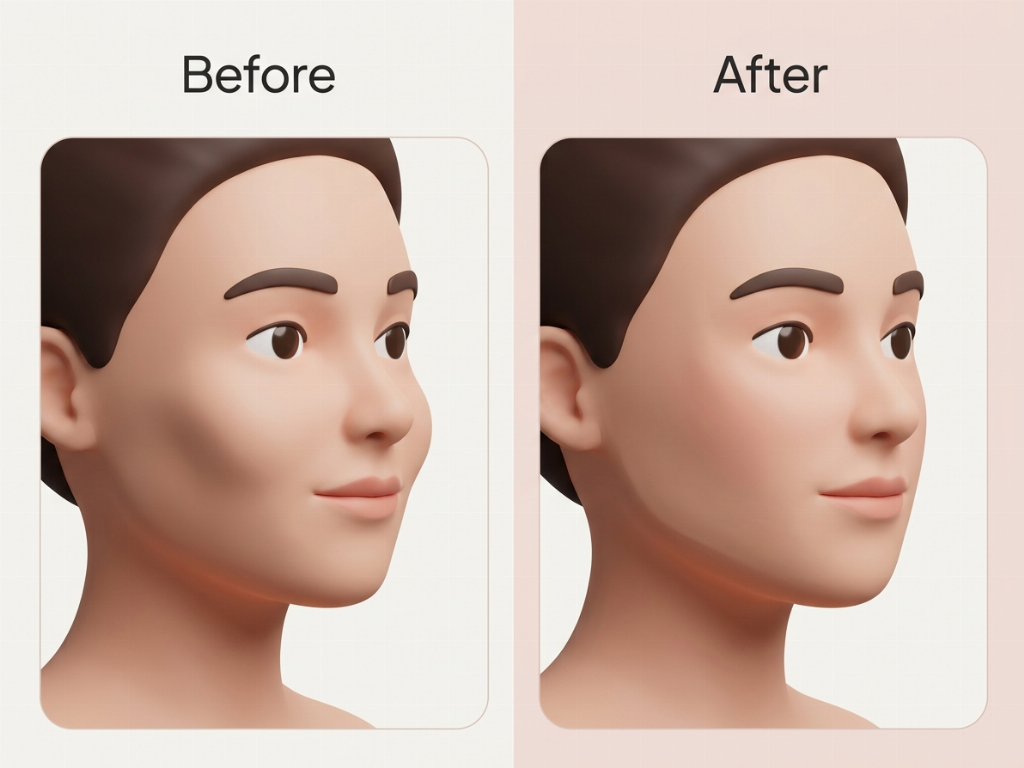
The primary goal of zygoma reduction is to achieve a softer, more oval-shaped facial contour. By reducing the lateral protrusion of the cheekbones, the face appears narrower from the front and smoother from the side profile. This often results in a more youthful and approachable aesthetic, as the sharp 'shadows' under the cheekbones are minimized.
While the bone structure is permanently altered, the final visual result depends on how the overlying soft tissue and skin drape over the new frame. Patients can expect a significant reduction in facial width, though it is important to maintain realistic expectations regarding facial symmetry, as natural bone structures are rarely perfectly identical on both sides.
Why Korea & Cost
South Korea is globally recognized as a leader in facial bone surgery, largely due to the high volume of contouring procedures performed by board-certified maxillofacial and plastic surgeons. Korean clinics often utilize advanced 3D-CT scanning and 3D-printing technology to map out the nerves and bone structure with millimeter precision before the first incision is made.
The cost of zygoma reduction in Korea is influenced by several factors, including the complexity of the bone structure, the specific surgical technique used (such as 'Quick Zygoma' vs. full reduction), and the type of fixation materials required. A comprehensive consultation, including diagnostic imaging, is necessary to provide an accurate quote tailored to the patient's unique anatomy.
Recovery & Aftercare
Recovery from zygoma reduction requires patience, as bone healing is a gradual process. Most patients experience significant swelling and some bruising during the first 7 to 10 days. A compression garment or facial bandage is typically worn during the initial week to minimize swelling and support the new bone position.
During the first two weeks, a soft-food or liquid diet is mandatory to avoid putting pressure on the jaw and cheek area. While most patients can return to non-strenuous work within 14 days, the final facial contour may take 3 to 6 months to fully settle as the residual swelling subsides and the soft tissues adapt to the reduced bone volume.
Who Is It For?
- Individuals with wide or protruding cheekbones
- Those with a harsh or masculine facial appearance due to bone structure
- Patients with sunken temples or cheeks caused by high zygomatic arches
- Individuals in good health with realistic expectations for facial contouring
- Those seeking a slimmer and more balanced mid-face profile
Benefits
- Creates a slimmer and more feminine facial shape
- Reduces the appearance of sunken temples and cheeks
- Improves facial proportions and symmetry
- Permanent structural change to the facial skeleton
- Minimal visible scarring as incisions are made inside the mouth
How It's Done
- Pre-operative 3D-CT scanning and facial mapping
- Administration of general anesthesia
- Incisions made inside the mouth and sometimes at the sideburn hairline
- Precise L-shaped osteotomy (cutting) of the zygomatic bone
- Inward repositioning and secure fixation with plates and screws
- Closing of incisions with dissolvable sutures
Risks & Side Effects
- Temporary or permanent numbness in the cheek area
- Asymmetry between the left and right sides
- Sagging of the soft tissue or skin (cheek drooping)
- Non-union or delayed healing of the bone
- Infection or reaction to fixation hardware
Recovery
- Hospital stay of 1 night is often required for monitoring
- Major swelling peaks at 48-72 hours and subsides significantly by day 14
- Stitches inside the mouth usually dissolve or are removed after 2 weeks
- Numbness in the upper lip and cheeks is common and usually temporary
- Full bone fusion typically takes 3 to 6 months
Aftercare
- Wear the facial compression bandage as instructed by the surgeon
- Maintain a liquid or very soft diet for the first 1-2 weeks
- Rinse the mouth frequently with antiseptic solution to prevent infection
- Sleep with the head elevated to reduce post-operative swelling
- Avoid strenuous exercise and heavy lifting for at least one month
Precautions
- Avoid opening the mouth too wide for the first 4 weeks
- Do not use straws as the suction can disrupt oral incisions
- Refrain from smoking and alcohol for at least 4 weeks to aid healing
- Avoid wearing glasses that rest heavily on the cheekbones during early recovery
- Report any sudden, one-sided swelling or severe pain to the clinic immediately
| Duration | 90-180 min |
|---|---|
| Recovery | 14-28 days |
| Anesthesia | General anesthesia |
| Price Range | approx. $2,960 – $7,410 (based on ₩4,000,000–₩10,000,000) |









 Clinic Introduction
 Medical Facility
 Patient Care
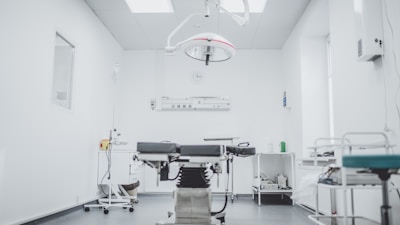 Consultation Room
 Medical Staff
 Recovery Suite
 Treatment Room